
Introduction
Wilpattu National Park, located in northwest Sri Lanka, is the largest and one of the oldest national parks in the country. Known for its unique “Willus” (natural lakes) scattered across the landscape, Wilpattu offers an authentic and less crowded safari experience. Wildlife enthusiasts and photographers flock here to spot leopards, elephants, and exotic birds in a serene environment.
Early History
The name Wilpattu means “Land of Lakes” in Sinhala, reflecting the park’s distinctive ecosystem. Historically, the area:
- Was sparsely populated by local communities who engaged in agriculture and small-scale fishing
- Served as a natural habitat for elephants, leopards, and other wildlife
- Was prized by Sri Lankan kings as royal hunting grounds for its abundant wildlife
Establishment as a National Park
Wilpattu was officially declared a wildlife sanctuary in 1938 and later expanded into a national park to protect Sri Lanka’s dry-zone ecosystems. Covering around 1,317 km², it is one of the largest and oldest parks in the country, providing safe habitats for endangered species and dry-zone flora.
Wildlife & Ecosystem
Wilpattu’s diverse ecosystems include dry forests, sand dunes, lagoons, and open plains. Key wildlife species include:
- Leopards and elephants
- Sloth bears, spotted deer, monkeys, and wild boars
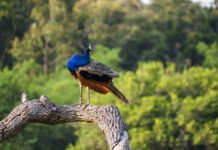
- Marsh crocodiles and over 200 bird species, including eagles, kingfishers, and storks
Its Willus are crucial during the dry season, attracting wildlife and providing excellent opportunities for observation and photography.
Modern-Day Significance
Today, Wilpattu National Park is known for:
- Authentic wildlife safaris with fewer crowds than Yala or Udawalawe
- Opportunities to spot leopards in their natural habitat
- Conservation efforts focusing on elephants, leopards, and endangered dry-zone species
- Adventure tourism, ideal for travelers seeking a secluded safari experience
Why Visit Wilpattu National Park
Wilpattu is perfect for travelers who want:
- A peaceful, off-the-beaten-path safari
- Close encounters with wild elephants, leopards, sloth bears, and exotic birds
- Scenic landscapes of lakes, dry forests, and grasslands
- A more adventurous and authentic wildlife experience compared to crowded parks
Main Attractions in Wilpattu National Park
1. Leopard Sightings
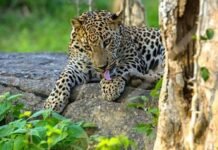
Wilpattu is famous for its elusive leopards. Although sightings are not guaranteed, it is considered one of Sri Lanka’s best leopard safari destinations.
2. Elephants and Other Wildlife
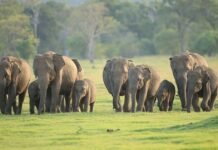
Large herds of elephants roam freely, along with water buffalo, spotted deer, monkeys, crocodiles, and wild boars.
3. Willus (Natural Lakes)
Over 50 natural lakes scattered across the park attract wildlife, offering incredible photography and wildlife viewing opportunities.
4. Bird Watching
Home to hundreds of bird species, Wilpattu is a paradise for bird watchers, featuring eagles, storks, kingfishers, and migratory birds.
5. Scenic Landscapes
Wilpattu’s diverse terrain of dry forests, grasslands, and wetlands creates breathtaking scenery perfect for safari adventures and photography.
Activities
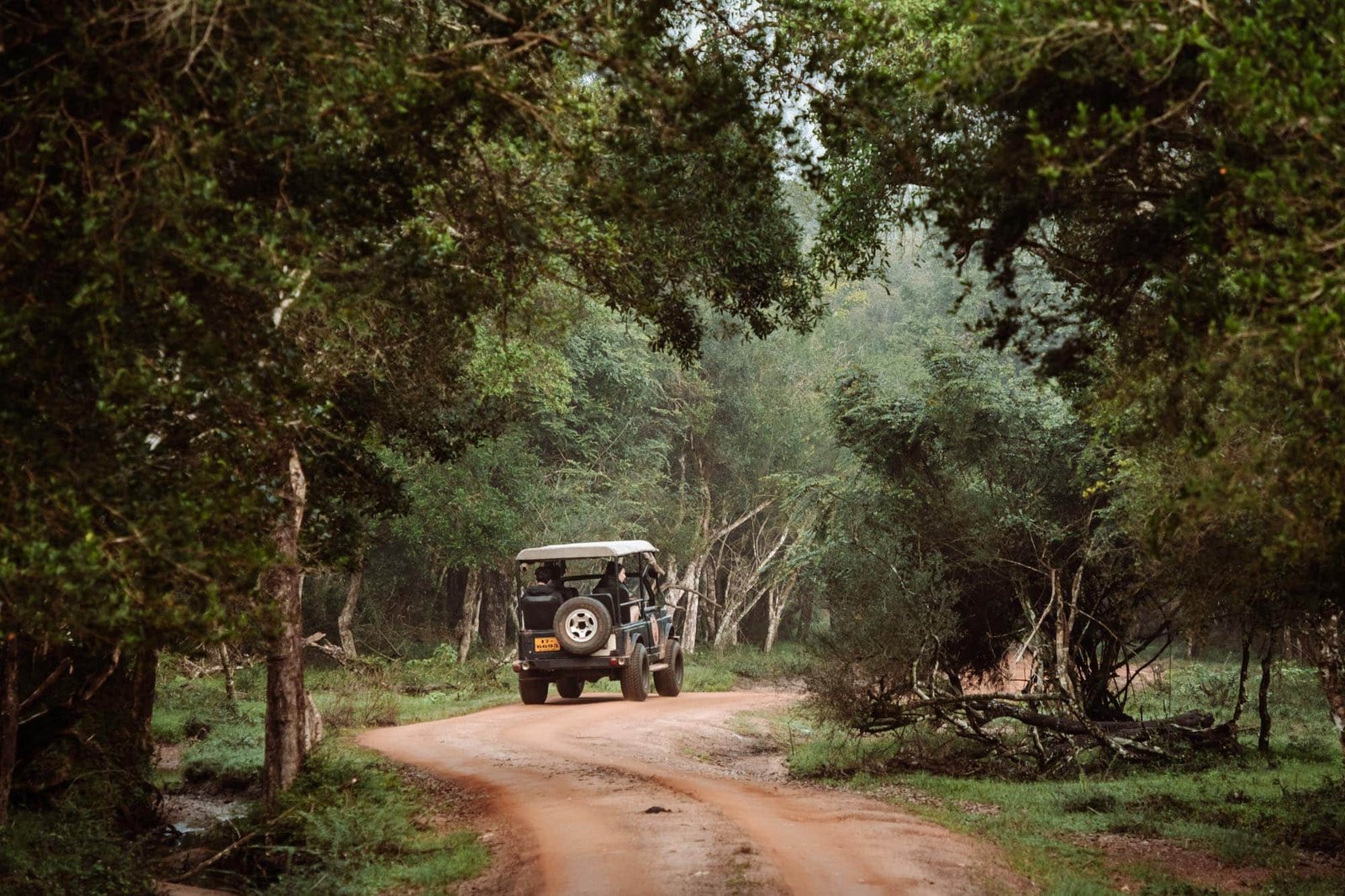
- Jeep safaris to explore wildlife and lakes
- Bird watching and nature photography
- Observing elephants, leopards, and other animals at Willus
- Exploring remote, less-crowded areas of the park
Tips for Visitors
- Hire a licensed jeep and guide for the best safari experience
- Early morning and late afternoon are ideal for wildlife spotting
- Wear neutral-colored clothing to blend with the environment
- Bring binoculars, a camera with zoom lens, water, sunscreen, and a hat
- Respect wildlife and never approach or feed animals
Conclusion
Wilpattu National Park is a must-visit for travelers seeking a true wilderness experience in Sri Lanka. With its combination of leopards, elephants, diverse birdlife, and unique natural lakes, it offers a serene and adventurous safari experience away from crowded tourist spots. Wilpattu is perfect for wildlife photographers, adventure seekers, and nature lovers looking for an authentic Sri Lankan safari.