
Introduction
The Polonnaruwa Ancient City is one of the most remarkable archaeological sites in Sri Lanka. As a UNESCO World Heritage Site, Polonnaruwa showcases the grandeur of Sri Lanka’s medieval period, with well-preserved ruins, monumental temples, royal palaces, and sophisticated irrigation systems.
Serving as the island’s capital from the 11th to 13th centuries, Polonnaruwa represents a golden era of political stability, cultural achievement, and architectural brilliance.
Early History of Polonnaruwa
Polonnaruwa began as a small settlement but gained importance following the decline of Anuradhapura Ancient City in the 10th century CE. Its strategic location near fertile plains and water sources made it ideal for agriculture, defense, and trade.
Although influenced by South Indian invasions during this period, the city eventually emerged as a powerful Sinhalese capital under local rulers.
The Kingdom of Polonnaruwa (11th–13th Century CE)
Polonnaruwa reached its peak during the reign of
Parakramabahu I, one of Sri Lanka’s greatest monarchs.
His achievements included:
- Construction of massive irrigation tanks and canals
- Development of an organized urban layout with roads and public buildings
- Patronage of Buddhism through the building of monasteries, stupas, and statues
Under his rule, Polonnaruwa became a model medieval city, known for its advanced planning, strong economy, and religious harmony.
Cultural and Religious Significance
Polonnaruwa played a crucial role in preserving Sri Lanka’s Buddhist traditions after the fall of Anuradhapura. The city is home to numerous religious monuments and architectural masterpieces, including:
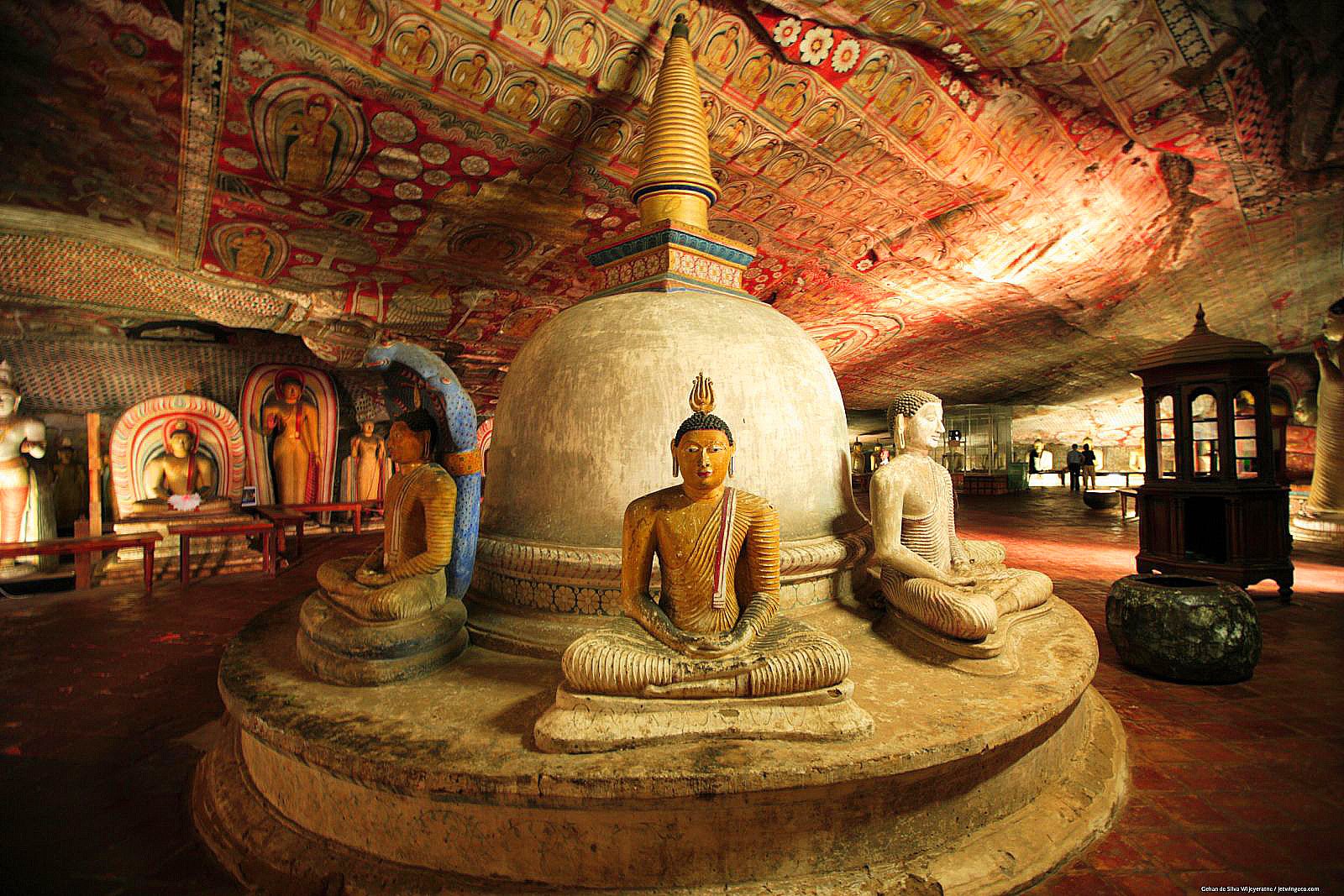
- Gal Vihara – a rock temple with giant Buddha statues
- Rankoth Vehera – one of the largest stupas of the Polonnaruwa period
- The Royal Palace Complex, reflecting the architectural sophistication of medieval Sri Lanka
These monuments highlight the spiritual devotion and artistic excellence of the Polonnaruwa era.
Later History and Decline
Following the death of King Parakramabahu I, Polonnaruwa faced repeated invasions and internal conflicts. By the 13th century, the capital was shifted to other regions such as Dambadeniya, leading to the gradual abandonment of the city.
Despite this, Polonnaruwa’s stone structures helped preserve many buildings and sculptures, allowing modern archaeologists to reconstruct the layout of the ancient city with remarkable clarity.
Polonnaruwa in the Modern Day
Today, Polonnaruwa stands as one of the best-preserved ancient cities in South Asia. The site forms a vast archaeological park where visitors can explore:
- Royal palaces and council chambers
- Buddhist temples and stupas
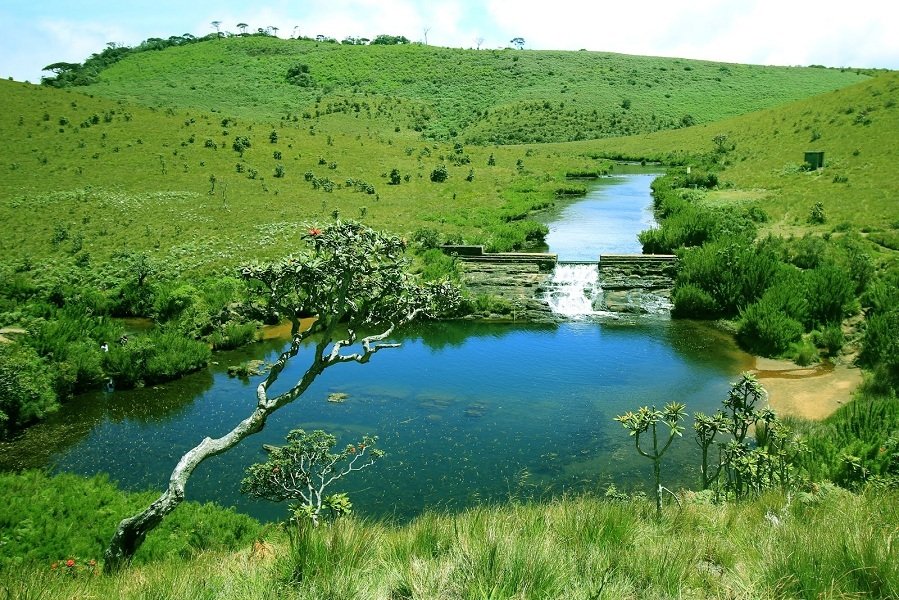
- Ancient reservoirs and canals
- Intricate stone carvings and sculptures
It is a key destination within Sri Lanka’s Cultural Triangle and attracts historians, pilgrims, and travelers from around the world.
Top Attractions in Polonnaruwa Ancient City
Gal Vihara – Masterpiece of Rock Carving
The Gal Vihara is one of the most iconic sites in Polonnaruwa. Carved directly into a granite rock face, it features four magnificent Buddha statues, including a 14-meter-long reclining Buddha. These sculptures are considered some of the finest examples of ancient Sinhalese stone carving.
Parakrama Samudra – The Sea of King Parakramabahu
The vast
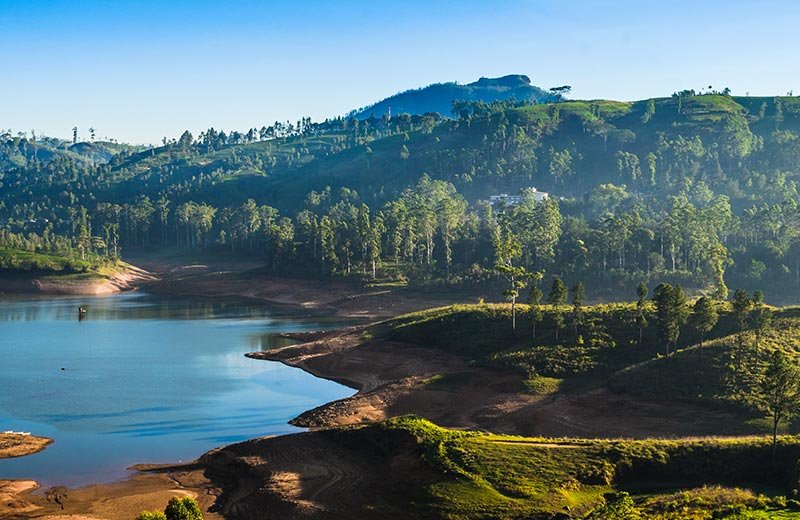
Parakrama Samudra is a massive man-made reservoir built by King Parakramabahu I. It demonstrates the advanced irrigation and water management systems that supported agriculture and sustained the city’s population.
Royal Palace of Polonnaruwa
The ruins of the Royal Palace reveal the grandeur of Polonnaruwa’s royal court. Once a multi-story structure, the palace included large halls, administrative rooms, and residential quarters, reflecting the sophisticated architectural skills of the time.
Thuparama and Lankatilaka Temples
The Thuparama Gedige and Lankatilaka Image House are among the most impressive temples in the city. These structures showcase tall brick walls, detailed carvings, and large Buddha statues that once dominated the interior sanctuaries.
The Quadrangle – Sacred Heart of Polonnaruwa
The Quadrangle is a compact complex containing some of the most important religious buildings in the city, including:
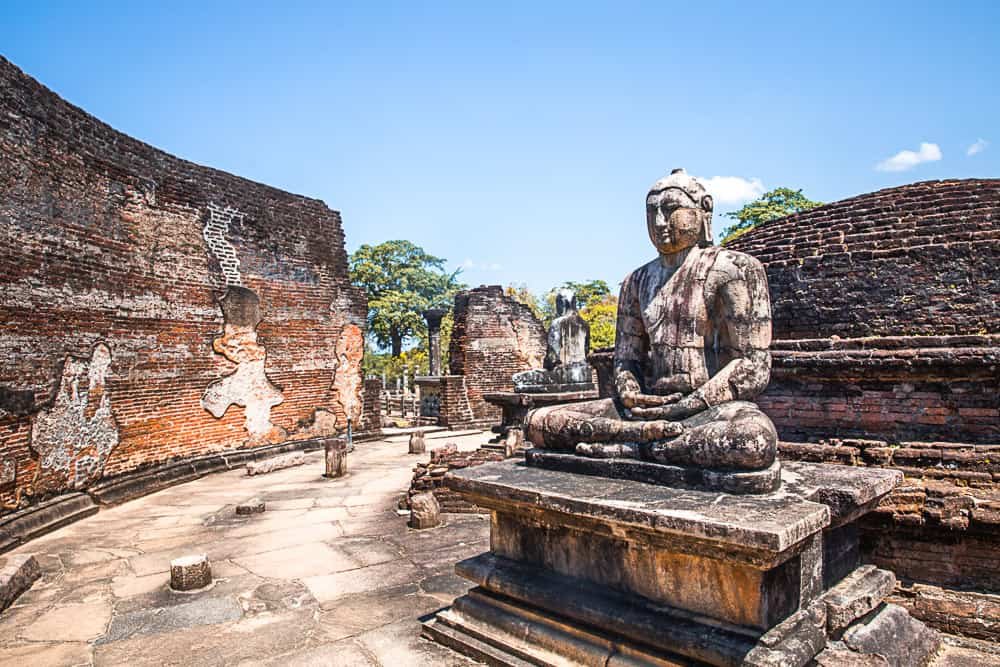
- Vatadage – a circular relic house with intricate stone carvings
- Gal Potha – a massive stone inscription detailing royal achievements
- Thuparama shrine, one of the oldest structures in the complex
This area offers an excellent overview of Polonnaruwa’s architectural and artistic achievements.
Statues, Guard Stones, and Decorative Carvings
Throughout Polonnaruwa, visitors will encounter beautifully carved guard stones, moonstones, and Buddha statues. These decorative elements provide insight into the craftsmanship and symbolic artistry of medieval Sri Lanka.
Things to Do in Polonnaruwa
Visitors can enjoy a wide range of activities within the archaeological park:
- Exploring ancient palaces, temples, and monuments
- Learning about Polonnaruwa’s history through guided tours
- Cycling or walking through the expansive heritage site
- Photographing scenic landscapes and historic architecture
Travel Tips for Visiting Polonnaruwa
To make your visit comfortable and enjoyable:
- Wear lightweight, comfortable clothing suitable for walking and cycling
- Carry water, sunscreen, and a hat due to the hot climate
- Hiring a knowledgeable guide can help you understand the historical context of each site
- Plan to spend a full day exploring, as the archaeological park is extensive
Why Polonnaruwa is a Must-Visit Destination
Polonnaruwa offers a unique glimpse into Sri Lanka’s medieval civilization, combining royal grandeur, Buddhist devotion, and advanced engineering in one extraordinary landscape. Its well-preserved ruins allow visitors to visualize what life was like during one of the most prosperous periods in Sri Lankan history.
Conclusion
The Polonnaruwa Ancient City stands as a testament to Sri Lanka’s resilience, creativity, and cultural depth during the medieval era. From the majestic Gal Vihara statues to the vast Parakrama Samudra reservoir and the intricate Quadrangle complex, every part of Polonnaruwa reflects a civilization that mastered architecture, religion, and water management.
For history enthusiasts, cultural travelers, and spiritual seekers, exploring Polonnaruwa is an unforgettable journey into Sri Lanka’s rich and fascinating past.