
Introduction
Negombo is a vibrant coastal city located just north of Colombo and near Bandaranaike International Airport, making it a popular first stop for travelers arriving in Sri Lanka. Known as the “Little Rome” for its colonial-era churches, Negombo combines rich cultural history, golden beaches, bustling fish markets, and scenic lagoons, offering visitors a perfect blend of culture, cuisine, and coastal charm.
Ancient Origins
Negombo began as a small coastal settlement with a natural lagoon that supported fishing and trade. Its strategic location on the western coast made it a key area for early maritime commerce.
Importance of the Lagoon
The Negombo Lagoon has always been central to the town’s livelihood. It provided:
- Fishing resources for local communities
- Transportation routes for trade
- A habitat supporting the region’s economy and culture
Colonial Period
Portuguese Era (16th Century)
The Portuguese were the first Europeans to settle in Negombo. They:
- Built churches and religious institutions
- Converted many locals to Christianity, earning Negombo the nickname “Little Rome”
Dutch Era (17th Century)
The Dutch captured Negombo and:
- Expanded the settlement
- Constructed canals, including the Hamilton Canal, for transporting goods such as cinnamon
British Era (18th–20th Century)
Under the British, Negombo continued to develop as a fishing and trading hub, with enhanced infrastructure and connectivity to Colombo and the rest of the island.
Fishing & Local Life
Fishing remains central to Negombo’s identity. Visitors can witness:
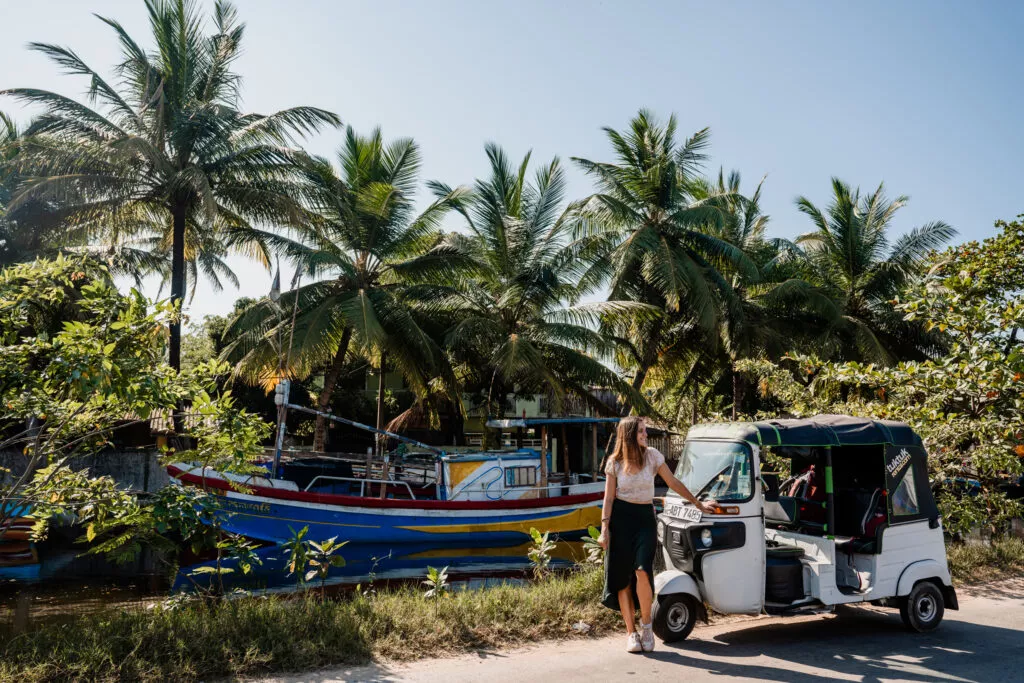
- Traditional fishing boats along the shore
- Busy daily fish markets
- Dried fish production along the coast, an enduring local craft
Cultural & Religious Heritage
Negombo is rich in colonial and religious landmarks, including:
- St. Mary’s Church – a stunning Roman Catholic church with stained-glass windows
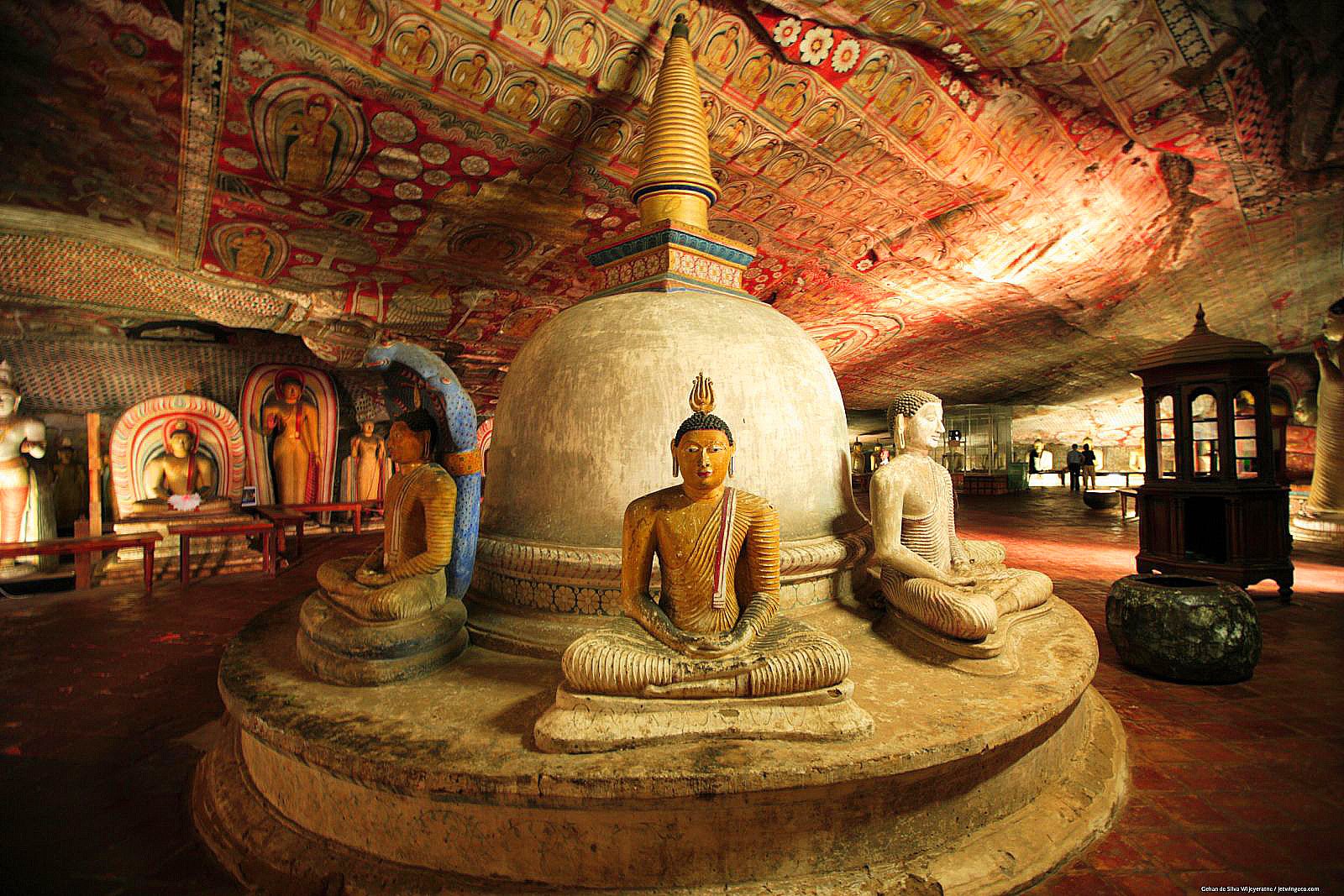
- Angurukaramulla Temple – a vibrant Buddhist temple featuring a giant Buddha statue and detailed murals
This mix reflects the city’s Portuguese, Dutch, and local cultural influences.
2004 Indian Ocean Tsunami
Negombo was impacted by the 2004 tsunami, but the town recovered quickly thanks to strong community resilience and rebuilding efforts, reinforcing its position as a safe and thriving tourist destination.
Modern-Day Negombo
Today, Negombo is renowned for:
- Golden beaches and safe swimming areas
- Seafood and culinary experiences
- Lively fish markets and boat tours
- Easy access to Colombo and the airport, making it a convenient start or end to your Sri Lankan trip
Why Visit Negombo
Negombo is an ideal destination for travelers who want:
- A coastal town rich in history and culture
- Easy access to Colombo and southern attractions
- Beaches, local cuisine, and cultural landmarks without venturing far from the capital
Main Attractions in Negombo
1. Negombo Beach
A long sandy beach perfect for swimming, sunbathing, and sunset walks. Beachside restaurants serve fresh seafood while offering panoramic ocean views.
2. Dutch Canal & Lagoon
Built during the Dutch colonial period, the canal stretches through the city and connects to the Negombo Lagoon. Visitors can enjoy boat rides and scenic tours.
3. Negombo Fish Market
One of the busiest and most authentic fish markets in Sri Lanka, where visitors witness daily catches, local trade, and can buy fresh seafood directly from fishermen.
4. St. Mary’s Church
A grand Roman Catholic church showcasing beautiful stained-glass windows and colonial-era architecture, highlighting Negombo’s Christian heritage.
5. Angurukaramulla Temple
A colorful Buddhist temple with a massive Buddha statue and murals depicting local legends, offering a spiritual and cultural experience.
6. Local Cuisine & Nightlife
Negombo offers restaurants, cafes, and beach bars. Must-try dishes include fresh seafood, prawn curries, and Sri Lankan specialties. Evening beachside venues provide a lively yet relaxed nightlife.
Activities in Negombo
- Swimming, sunbathing, and beach relaxation
- Boat tours along the Dutch Canal and lagoon
- Exploring churches, temples, and colonial landmarks
- Visiting the fish market and tasting local seafood
- Enjoying beachside dining and nightlife
Tips for Visitors
- Visit early morning to see the fish market in full action
- Apply sunscreen and wear a hat for beach activities
- Respect local customs in temples and churches
- Rent a tuk-tuk or bicycle for easy exploration of the city and lagoon
Conclusion
Negombo is more than a gateway city—it’s a vibrant coastal town full of history, culture, and seaside charm. Whether you’re starting your Sri Lankan adventure, enjoying fresh seafood, or relaxing by the beach, Negombo provides a welcoming and memorable experience for travelers from around the world.