
Introduction
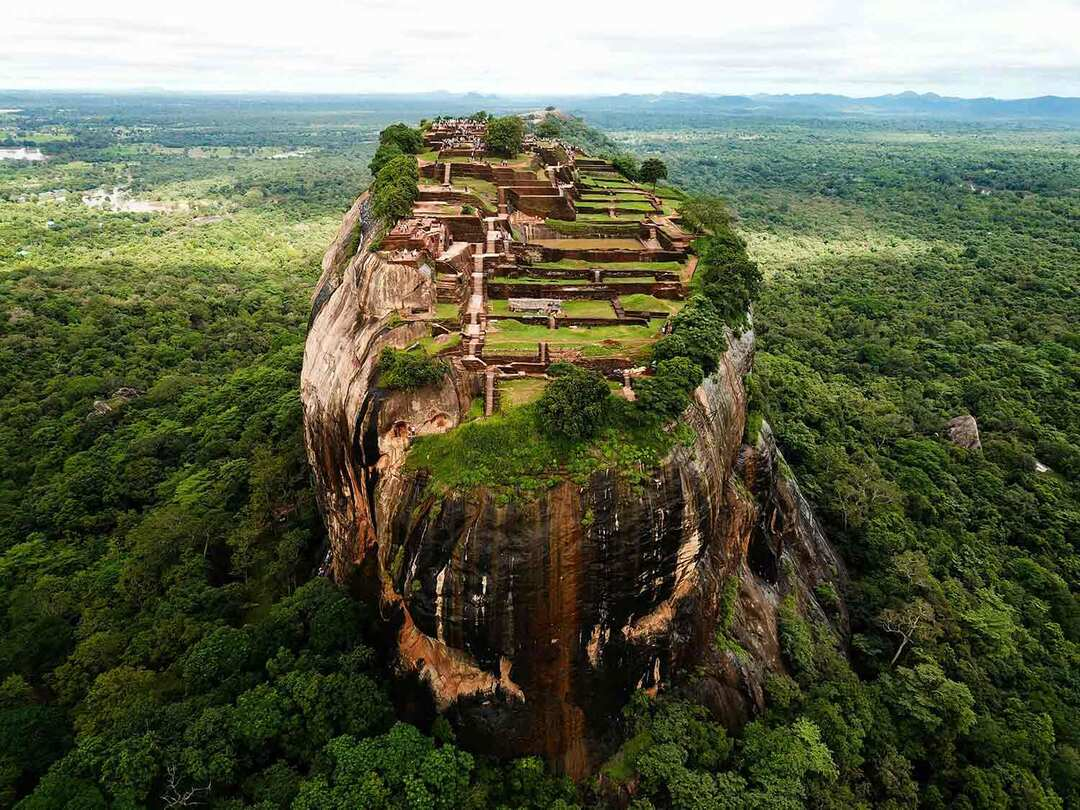
Sigiriya Rock Fortress, also known as Lion Rock, is one of the most iconic and breathtaking landmarks in Sri Lanka. Located near Dambulla, this ancient rock fortress rises nearly 200 meters above the surrounding plains, offering a spectacular combination of history, architecture, and natural beauty.
Recognized as a UNESCO World Heritage Site since 1982, Sigiriya is a must-visit destination for travelers interested in culture, archaeology, and adventure.
Early History of Sigiriya
Sigiriya’s history dates back to prehistoric times. Archaeological findings reveal that the caves surrounding the rock were used by early human settlers and Buddhist monks as far back as the 3rd century BC. These caves later became meditation shelters, marked by ancient inscriptions and drip-ledge carvings.
King Kasyapa and the Royal Fortress (5th Century AD)
The most remarkable chapter in Sigiriya’s story begins during the reign of
King Kasyapa I.
After seizing the throne from his father,
King Dhatusena, Kasyapa built a magnificent palace and fortress atop Sigiriya to protect himself from rival claims.
The fortress complex included:
- Defensive moats and massive ramparts
- Elaborate water gardens and terraced landscapes
- Stunning frescoes of celestial maidens, famously known as Sigiriya Damsels
- The grand Lion Gate, which once featured a massive lion sculpture guarding the entrance
Sigiriya became one of the most advanced urban centers of its time, showcasing remarkable engineering and artistic innovation.
Sigiriya After Kasyapa’s Death
Following King Kasyapa’s death in 495 AD, Sigiriya was abandoned as a royal residence. The site was later converted into a Buddhist monastery, where monks lived and practiced meditation for several centuries.
Over time, the area became largely uninhabited, which helped preserve its frescoes, gardens, and ruins remarkably well for future generations.
Archaeological and Cultural Significance
Sigiriya is considered one of the greatest achievements of ancient Sri Lankan civilization. It represents:
- Advanced urban planning
- Sophisticated hydraulic engineering systems
- Exceptional ancient art and architecture
Today, it stands as one of the most valuable cultural heritage sites in Asia, attracting researchers, historians, and tourists from around the world.
Sigiriya in the Modern Day
Today, Sigiriya is one of the most visited tourist attractions in Sri Lanka. Visitors come to experience:
- A thrilling climb to the summit
- Ancient frescoes and inscriptions
- Landscaped gardens and water features
- Stunning panoramic views of forests and villages
The site offers a unique combination of history, nature, and adventure, making it suitable for all types of travelers.
Main Attractions at Sigiriya Rock Fortress
The Lion’s Gate
The fortress earned the name Lion Rock from the enormous lion structure that once guarded the staircase to the summit. While only the giant lion paws remain today, they still convey the grandeur of the original entrance.
Sigiriya Frescoes
Sigiriya is world-famous for its ancient frescoes painted on the rock face. These colorful paintings depict graceful women believed to represent celestial maidens or royal attendants. Despite being over 1,500 years old, the frescoes remain vibrant and remarkably preserved.
The Mirror Wall
One of Sigiriya’s most fascinating features is the Mirror Wall, which was once polished so smoothly that the king could see his reflection in it. Today, the wall is covered with ancient graffiti dating from the 7th to 10th centuries, offering insight into the thoughts and poetry of early visitors.
The Water Gardens
At the base of the rock lie beautifully symmetrical water gardens, considered among the oldest landscaped gardens in the world. These gardens feature pools, fountains, and stone pathways that still function during the rainy season, showcasing the brilliance of ancient hydraulic engineering.
The Summit and Palace Ruins
Climbing to the top of Sigiriya reveals the remains of King Kasyapa’s royal palace. Visitors can explore:
- Foundation walls of ancient buildings
- Stone cisterns used for water storage
- Terraces overlooking the surrounding landscape
The summit provides one of the most breathtaking panoramic views in Sri Lanka.
Things to Do at Sigiriya
Visitors can enjoy a variety of activities at Sigiriya, including:
- Hiking to the summit of the rock fortress
- Exploring ancient frescoes and inscriptions
- Photography of landscapes, wildlife, and architecture
- Joining guided tours to learn about legends, history, and archaeological discoveries
Travel Tips for Visiting Sigiriya
To make the most of your visit, keep these tips in mind:
- Wear comfortable shoes suitable for climbing
- Start your climb early in the morning to avoid crowds and heat
- Bring water, sunscreen, and a hat
- Consider hiring a local guide to better understand the history and hidden details of the site
Why Sigiriya is a Must-Visit in Sri Lanka
Sigiriya is more than just an ancient fortress—it is a masterpiece of engineering, art, and landscape design. The combination of royal history, religious significance, and natural beauty makes it one of the most extraordinary archaeological sites in the world.
Whether you’re a history enthusiast, photographer, or adventure traveler, Sigiriya offers a journey back in time unlike any other destination in Sri Lanka.
Conclusion
Sigiriya Rock Fortress stands as a timeless symbol of Sri Lanka’s ancient civilization and architectural brilliance. From the majestic Lion Gate to the stunning frescoes and breathtaking summit views, every part of Sigiriya tells a story of power, creativity, and innovation.
A visit to Sigiriya is not just a sightseeing trip—it is an unforgettable experience that connects you with the island’s rich cultural heritage and spectacular landscapes.