
Introduction
The Galle Fort is one of Sri Lanka’s most historic and picturesque destinations. Located in the southern city of Galle, this UNESCO World Heritage Site showcases a unique blend of European colonial architecture, rich history, and vibrant local culture. Walking through Galle Fort is like stepping into a living museum, with its cobbled streets, ancient ramparts, and stunning Indian Ocean views.
Early History of Galle
Before European colonization, Galle was a thriving port city in southern Sri Lanka. Local fishermen and traders settled near its natural harbor, establishing it as a hub for commerce with India, Arabia, and Southeast Asia. The fertile surroundings and strategic location made it a prime spot for trade and settlement.
Portuguese Era (1505–1640)
The Portuguese were the first Europeans to fortify Galle, building initial walls and bastions in 1588 to protect the lucrative spice trade. They introduced churches and small fortifications, focusing mainly on controlling maritime commerce, particularly in cinnamon and other goods.
Dutch Era (1640–1796)
The Dutch captured Galle in 1640 and reconstructed the fort extensively. Today’s fort largely reflects Dutch colonial architecture, characterized by:
- Massive stone ramparts and bastions
- Moats and defensive walls
- Organized streets with warehouses and merchant houses
The Dutch transformed Galle Fort into a strategic administrative center and a major trading post for spices, leaving a lasting architectural legacy.
British Era (1796–1948)
The British took over Galle Fort in 1796, preserving most of the Dutch architecture while adding modern facilities such as government offices, schools, and churches. Galle remained an administrative and military hub during British rule, bridging colonial influence with local culture.
Cultural and Architectural Significance
Galle Fort is a fusion of Portuguese, Dutch, and British architectural styles, featuring cobblestone streets, colonial mansions, churches, mosques, and temples. Still inhabited today, the fort combines historic charm with modern life, housing shops, cafes, museums, and residences.
In 1988, UNESCO recognized Galle Fort as a World Heritage Site for its outstanding universal value, preserving centuries of maritime, architectural, and cultural history.
Modern-Day Galle Fort
Galle Fort is now a major tourist destination, attracting history enthusiasts, photographers, and cultural travelers. Highlights include:
- Strolling along the ramparts for panoramic Indian Ocean views
- Exploring historic churches, mosques, and temples
- Visiting the lighthouse, museums, and art galleries
- Experiencing local culture through boutique shops and cafes
- Participating in annual cultural events and festivals
Top Attractions at Galle Fort
Dutch Reformed Church
Built in 1755, this historic church features colonial architecture, tombstones of Dutch settlers, and an old pipe organ, offering insight into the religious and social life of the fort during Dutch rule.
Galle Lighthouse
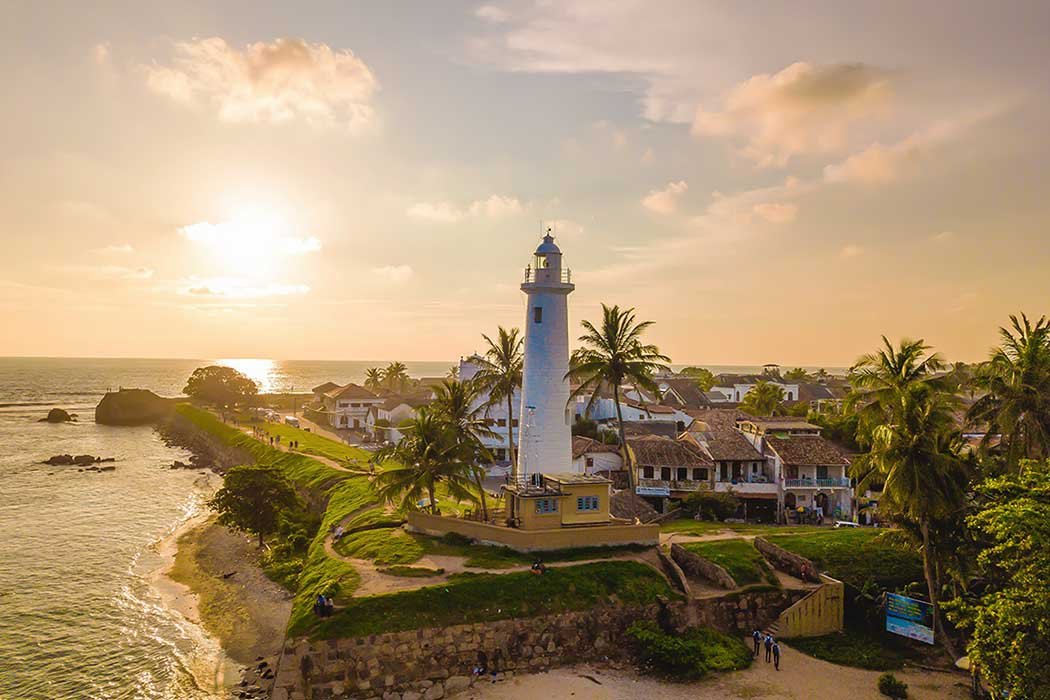
Situated at the edge of the fort, the lighthouse is an iconic landmark providing breathtaking views of the Indian Ocean and the historic city below.
Ramparts and Fort Walls
Walk or cycle along Galle Fort’s massive stone ramparts, originally built for defense. The walls provide stunning views of the city and the ocean, making it a favorite spot for photography and sunset walks.
National Maritime Museum
The museum showcases Sri Lanka’s maritime history, including ship models, navigational artifacts, and exhibits on the island’s seafaring past.
Cobbled Streets & Boutique Shops
Explore charming cobblestone streets lined with cafes, art galleries, and boutique stores. These streets reflect Galle’s colonial heritage while providing opportunities for shopping and dining.
Old Dutch Mansions
Many historic mansions still stand or have been converted into guesthouses, allowing visitors to experience the elegance of Galle’s colonial past.
Activities in Galle Fort
- Walking or cycling along the ramparts and streets
- Photography of colonial architecture and ocean views
- Visiting churches, museums, and the lighthouse
- Shopping for local handicrafts, souvenirs, and artwork
- Enjoying cafes and restaurants with seaside ambiance
Tips for Visitors
- Wear comfortable shoes for walking on cobbled streets
- Bring sun protection (hat, sunscreen) for outdoor exploration
- Visit early morning or late afternoon for cooler temperatures and better lighting for photography
- Allocate a few hours to a full day to explore the fort thoroughly
Why Galle Fort is a Must-Visit
Galle Fort is not just a historic site—it’s a living destination where history, culture, and modern life coexist. Its cobbled streets, colonial architecture, and ocean views provide a unique combination of heritage tourism, photography, and cultural exploration.
Whether you’re a history buff, a coastal scenery lover, or an art and cuisine enthusiast, Galle Fort offers a rich and unforgettable travel experience.
Conclusion
The Galle Fort is a timeless colonial gem in Sri Lanka, where centuries of Portuguese, Dutch, and British influence blend seamlessly with local culture. From historic churches and ramparts to boutique shops and ocean vistas, a visit to Galle Fort is an immersive journey into the island’s vibrant history and living heritage.