
Introduction
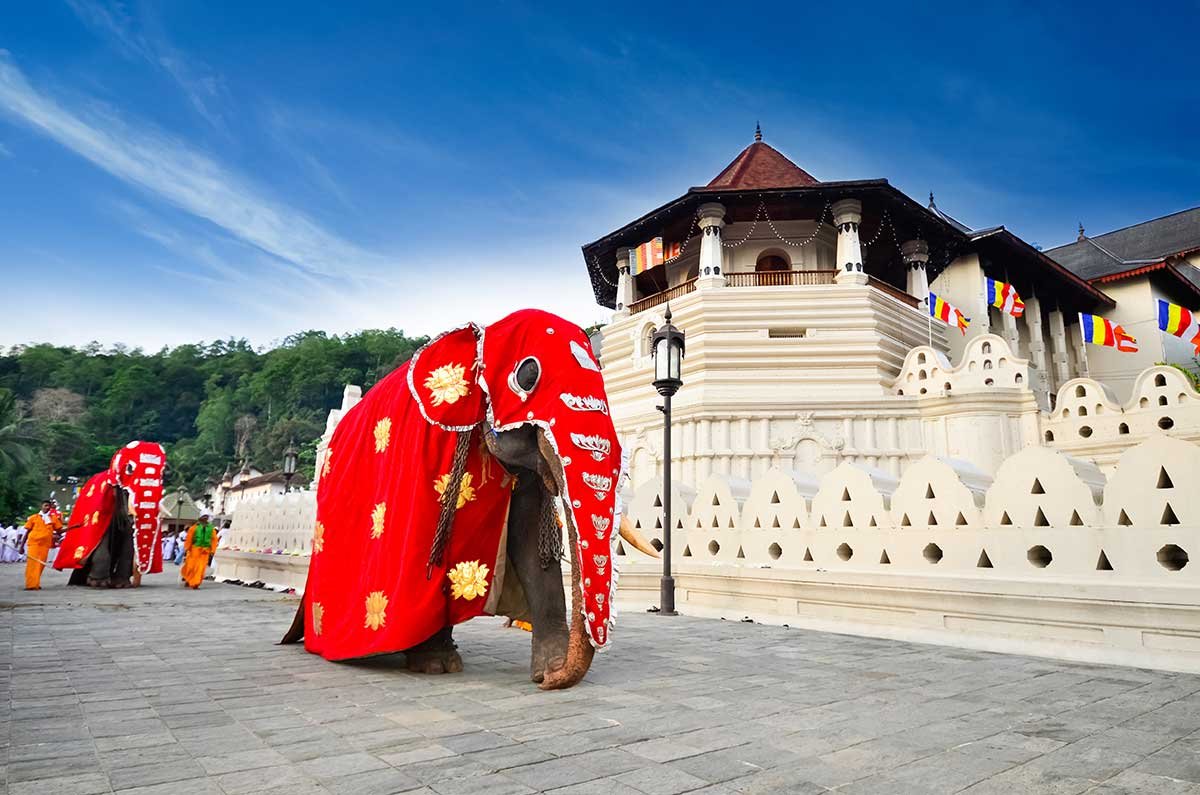
The Temple of the Sacred Tooth Relic, locally known as Sri Dalada Maligawa, is one of the most sacred Buddhist temples in Sri Lanka. Situated in the historic city of Kandy, the temple houses the revered tooth relic of Gautama Buddha, making it one of the most important pilgrimage sites in the Buddhist world.
Beyond its religious significance, the temple is a masterpiece of traditional Kandyan architecture and a powerful symbol of Sri Lanka’s cultural identity and royal history.
Ancient Significance of the Sacred Tooth Relic
The sacred tooth relic of the Buddha is one of the most venerated religious artifacts in Theravada Buddhism. According to historical records, the relic was brought to Sri Lanka from India in the 4th century CE. It was believed that whoever possessed the relic held the divine right to rule the country, making it a symbol of both spiritual authority and political legitimacy.
The Kandyan Kingdom and Royal Patronage
The importance of the temple grew significantly during the era of the Kingdom of Kandy (15th–19th centuries). Kandyan kings became guardians of the sacred relic and constructed a magnificent temple complex to protect and honor it.
Successive rulers expanded the temple with:
- Shrines and sanctuaries
- Audience halls and royal residences
- Defensive walls and protective structures
This made Kandy not only the political capital but also the spiritual center of Sri Lanka during that period.
Surviving the Colonial Era
During the colonial periods under the Portuguese, Dutch, and British, Kandy remained one of the last independent kingdoms in Sri Lanka. Despite several attempts to capture the city, the sacred relic was successfully protected.
When the British annexed Kandy in 1815, they recognized the temple’s religious importance and allowed Buddhist practices to continue, ensuring the relic remained under local guardianship.
Cultural and Religious Importance
Today, the Temple of the Sacred Tooth Relic stands as the focal point of Buddhist devotion in Sri Lanka. Thousands of devotees visit daily to offer prayers and participate in rituals.
One of the most famous cultural events connected to the temple is the annual
Esala Perahera, a grand procession featuring:
- Decorated elephants
- Traditional dancers and drummers
- Torch bearers and ceremonial performers
This festival is considered one of the most spectacular cultural and religious events in Asia.
UNESCO World Heritage Recognition
The temple complex is part of the UNESCO World Heritage Site listing for the Sacred City of Kandy, recognizing its immense historical, architectural, and religious significance.
Exploring the Temple Today
In modern times, the Temple of the Sacred Tooth Relic continues to serve both as an active place of worship and a major tourist attraction. Visitors from around the world come to admire:
- The sacred relic shrine
- Traditional Kandyan architecture
- Historical artifacts and royal treasures
- Peaceful temple gardens and lake views
Main Attractions at the Temple of the Sacred Tooth Relic
The Sacred Tooth Relic Chamber
The sacred relic is kept inside a beautifully crafted golden casket within the inner sanctum. It is not directly visible but is displayed during special ceremonies, attracting thousands of devotees who come to pay their respects.
Kandyan Architecture and Temple Design
The temple complex showcases classic Kandyan architectural features, including:
- Intricate wooden carvings
- Golden roofs and ornamental pillars
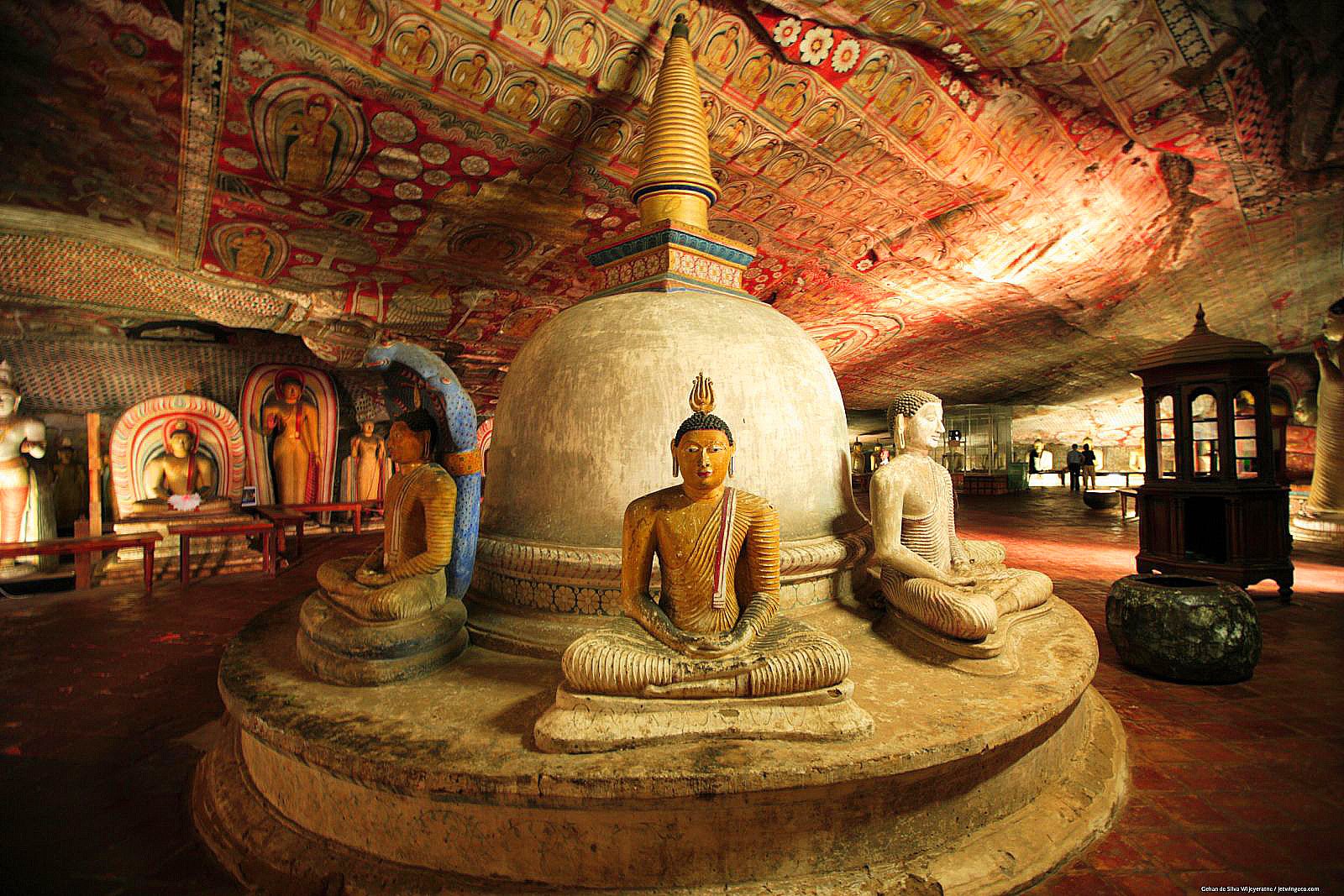
- Colorful murals depicting scenes from the Buddha’s life and Sri Lankan history
These elements reflect the artistic excellence of the Kandyan period.
Daily Rituals (Pujas)
Daily religious ceremonies, known as pujas, are held three times a day—morning, noon, and evening. These rituals include:
- Traditional drumming
- Chanting of sacred verses
- Offering of flowers and lighting of oil lamps
Witnessing these ceremonies provides visitors with a deep insight into Sri Lankan Buddhist traditions.
The Temple Museum and Grounds
The temple complex also includes museums that display:
- Historical artifacts
- Royal regalia of Kandyan kings
- Gifts and offerings made to the sacred relic
The surrounding gardens and the nearby Kandy Lake create a serene environment ideal for reflection and peaceful exploration.
Esala Perahera – The Grand Cultural Festival
The Esala Perahera, held annually in July or August, is one of Sri Lanka’s most celebrated festivals. The sacred tooth relic is symbolically carried through the streets of Kandy in a magnificent procession featuring:
- Lavishly decorated elephants
- Traditional Kandyan dancers
- Fire performers and drummers
This centuries-old tradition showcases the island’s vibrant culture and deep religious devotion.
Things to Do at the Temple
Visitors to the Temple of the Sacred Tooth Relic can enjoy a variety of enriching experiences:
- Witnessing the sacred relic ceremonies
- Exploring temple halls and historic buildings
- Learning about Sri Lankan Buddhist history in the museum
- Experiencing cultural events such as the Esala Perahera
Travel Tips for Visiting the Temple
To ensure a respectful and enjoyable visit, keep these guidelines in mind:
- Dress modestly, covering shoulders and knees
- Remove shoes before entering the temple premises
- Visit early in the day to avoid large crowds during rituals
- Photography is restricted in certain areas, especially near the inner sanctum
Why the Temple of the Sacred Tooth Relic is a Must-Visit
The Temple of the Sacred Tooth Relic is not only a sacred religious site but also a symbol of Sri Lanka’s royal heritage, artistic excellence, and enduring Buddhist traditions. It represents the spiritual heart of the nation and remains one of the most important pilgrimage destinations in the Buddhist world.
Conclusion
The Temple of the Sacred Tooth Relic stands as a living testament to Sri Lanka’s devotion to Buddhism and its rich cultural history. From its sacred relic and daily rituals to its grand festivals and elegant architecture, the temple offers visitors a deeply meaningful and unforgettable cultural experience.
Whether you are a pilgrim, historian, or traveler seeking authentic cultural insight, visiting this temple provides a profound connection to the spiritual and historical soul of Sri Lanka.