
Introduction
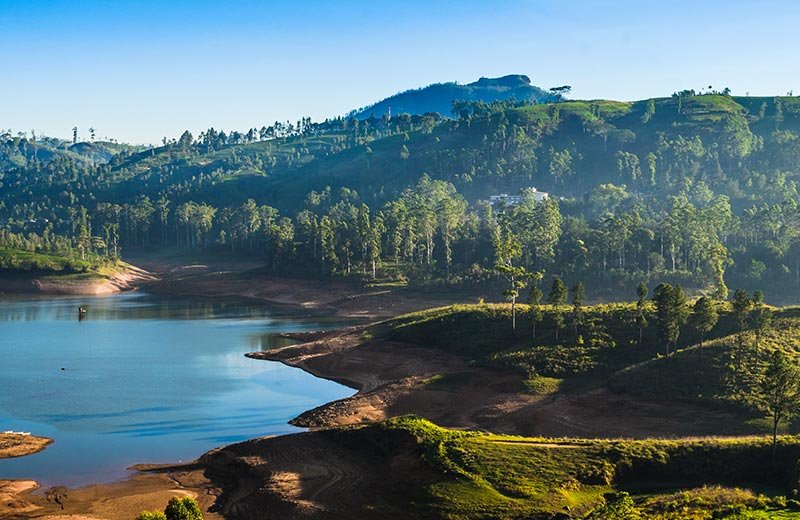
Horton Plains National Park, located in the central highlands of Sri Lanka near Nuwara Eliya, is one of the country’s most iconic nature reserves. Sitting at an altitude of 2,100–2,300 meters above sea level, this montane plateau is renowned for its cloud forests, rolling grasslands, endemic wildlife, and breathtaking viewpoints. A paradise for hikers, nature lovers, and photographers, Horton Plains offers a unique eco-tourism experience in Sri Lanka’s highlands.
Early History
Horton Plains has long been a remote montane plateau, largely untouched by humans. Indigenous communities like the Vedda may have used the lower slopes for hunting and gathering, but the plateau itself remained inaccessible due to its elevation and rugged terrain. Its pristine condition has helped preserve unique flora, fauna, and grasslands.
Colonial Exploration
During the British colonial period, Horton Plains was surveyed by British administrators, naturalists, and explorers in the 19th century. It was named after Sir Robert Wilmot-Horton, Governor of Ceylon (1831–1837). The British were drawn to Horton Plains for its cool climate, natural beauty, and biodiversity, recognizing its potential as a retreat and an area of scientific interest.
Establishment as a National Park
In 1988, Horton Plains was officially designated as a national park to protect its fragile montane ecosystems, cloud forests, and endemic species. Today, it forms part of the Central Highlands of Sri Lanka UNESCO World Heritage Site, recognized globally for its biodiversity, endemic species, and ecological significance.
Geography & Ecosystem
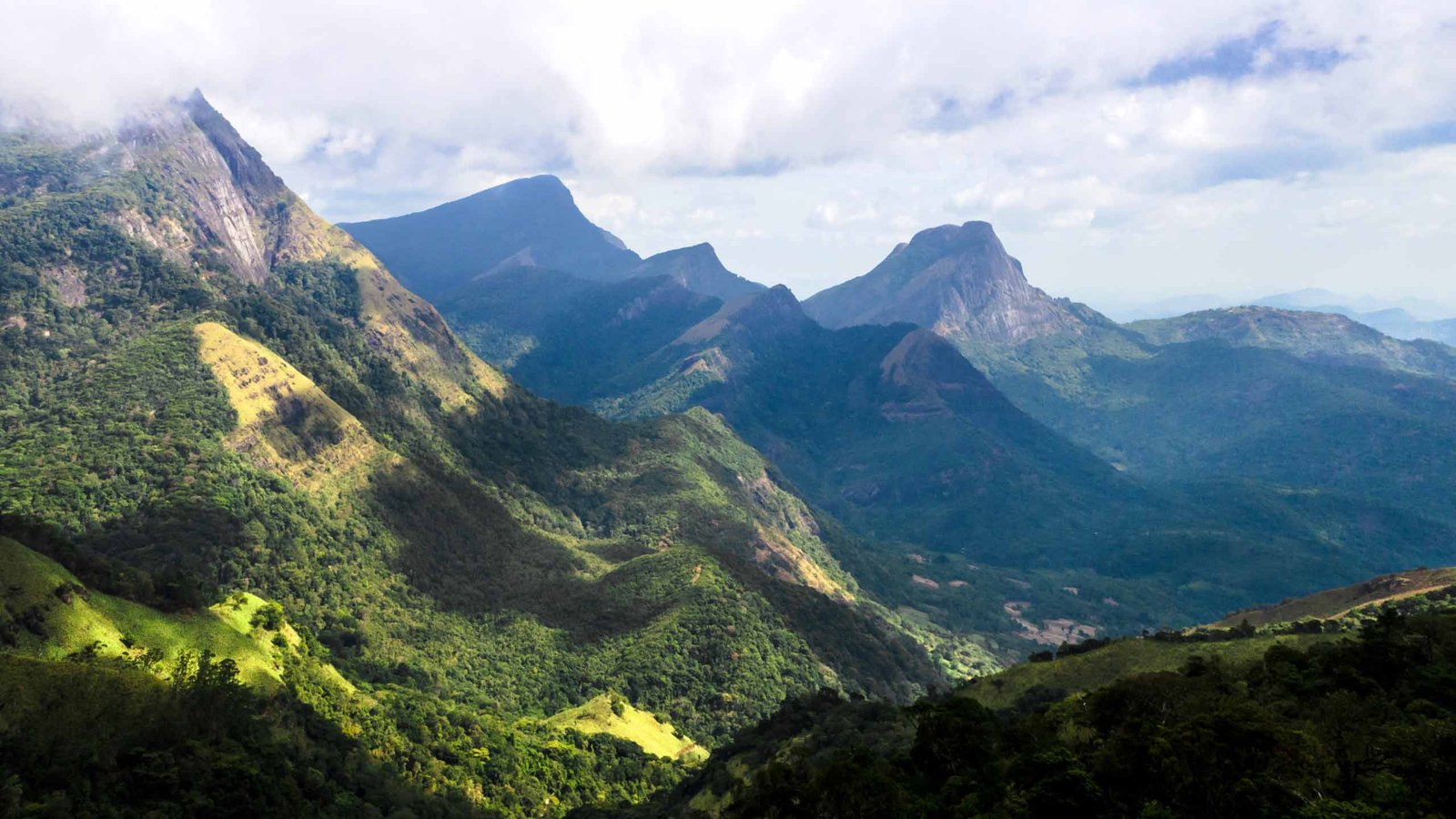
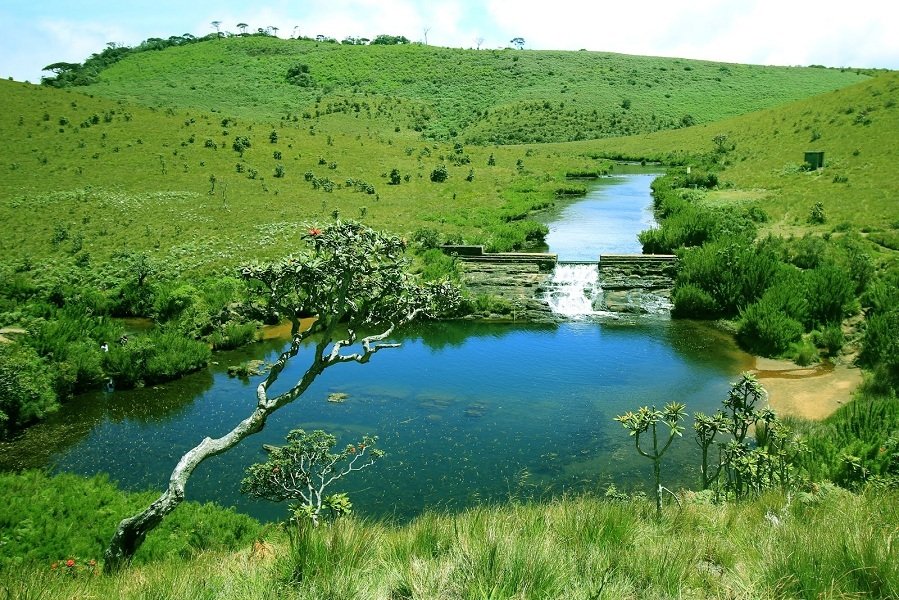
Covering approximately 3,160 hectares, Horton Plains boasts montane grasslands, cloud forests, and waterfalls, creating a unique highland ecosystem. Key species include:
- Horton Plains slender loris – an endemic primate
- Sambar deer – commonly spotted on trails
- Purple-faced langurs – native to Sri Lanka’s forests
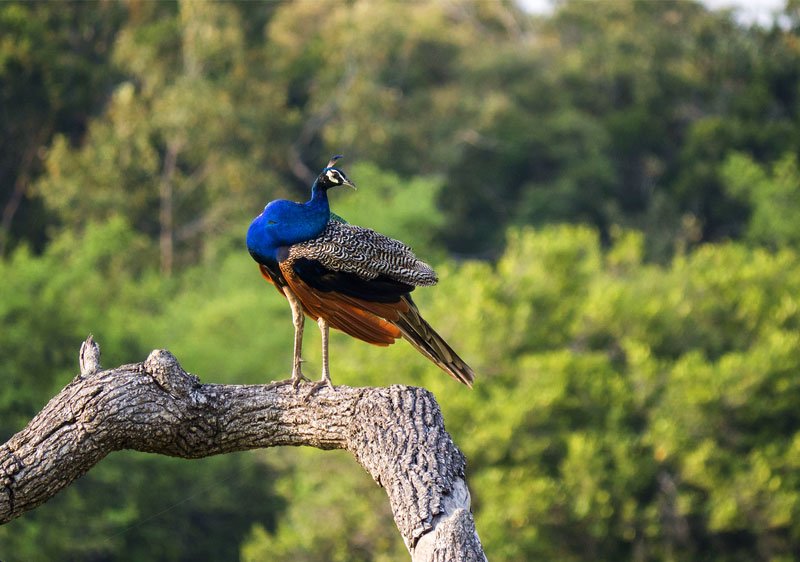
- Birdlife – including the Sri Lanka white-eye and crested drongo
Famous landmarks within the park include:
- World’s End – a sheer cliff offering panoramic valley views
- Baker’s Falls – a scenic waterfall surrounded by dense forest
Modern-Day Significance
Horton Plains is a top eco-tourism and trekking destination in Sri Lanka. Conservation efforts focus on:
- Protecting endemic species and fragile habitats
- Preserving cloud forests and montane grasslands
- Promoting responsible tourism and wildlife observation
Visitors can enjoy sunrise treks, wildlife spotting, and photography, making it an unforgettable highland adventure.
Natural Beauty & Scenic Highlights
- Rolling cloud-covered grasslands creating mystical landscapes
- Misty mornings and sunrise views perfect for photography
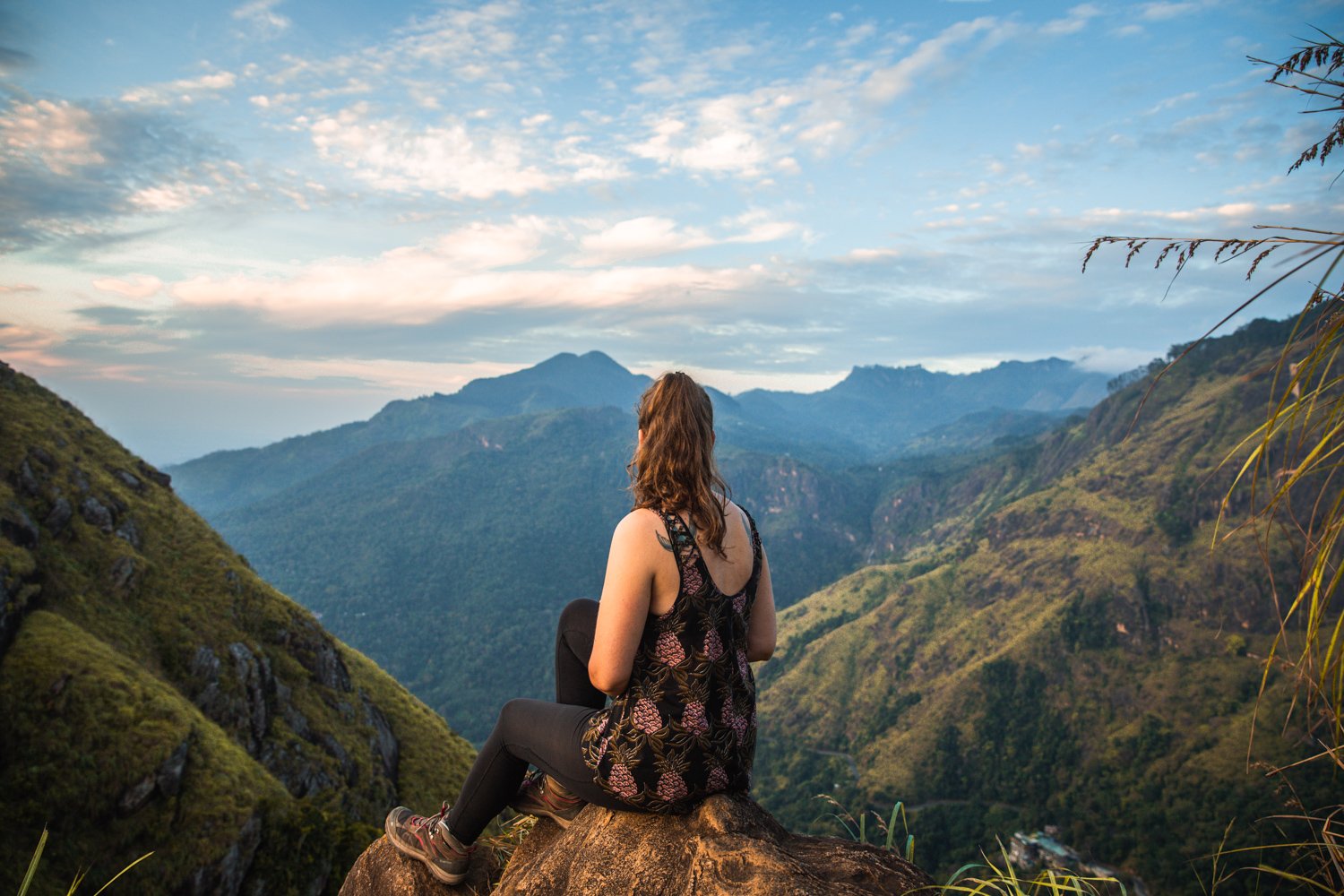
- World’s End – a breathtaking viewpoint overlooking valleys
- Baker’s Falls – ideal for nature walks and scenic photos
The park’s unique cloud forest ecosystem and highland plateau offer some of Sri Lanka’s most photogenic landscapes.
Trekking & Activities
Horton Plains is a hiker-friendly destination, offering trails suitable for various levels:
- Popular routes: World’s End, Baker’s Falls, Pattipola Peak
- Activities: Hiking, nature walks, wildlife spotting, birdwatching, and photography
- Difficulty: Moderate trekking suitable for families, solo travelers, and adventure enthusiasts
Travel Tips
- Best time to visit: December to April (dry season)
- Start early: Catch sunrise at World’s End and avoid morning mist
- Footwear & gear: Wear comfortable hiking shoes; carry water, snacks, and rain protection
- Guided tours: Recommended for a safe and informative experience
- Entrance fee: Applicable at the park entrance
Conclusion
Horton Plains National Park is a must-visit destination in Sri Lanka for travelers seeking natural beauty, adventure, and wildlife encounters. From misty cloud forests and endemic wildlife to the dramatic World’s End cliffs and scenic waterfalls, Horton Plains offers an unforgettable trekking and eco-tourism experience. Whether you’re a nature photographer, birdwatcher, or adventure traveler, Horton Plains showcases the stunning diversity of Sri Lanka’s central highlands.