
Introduction
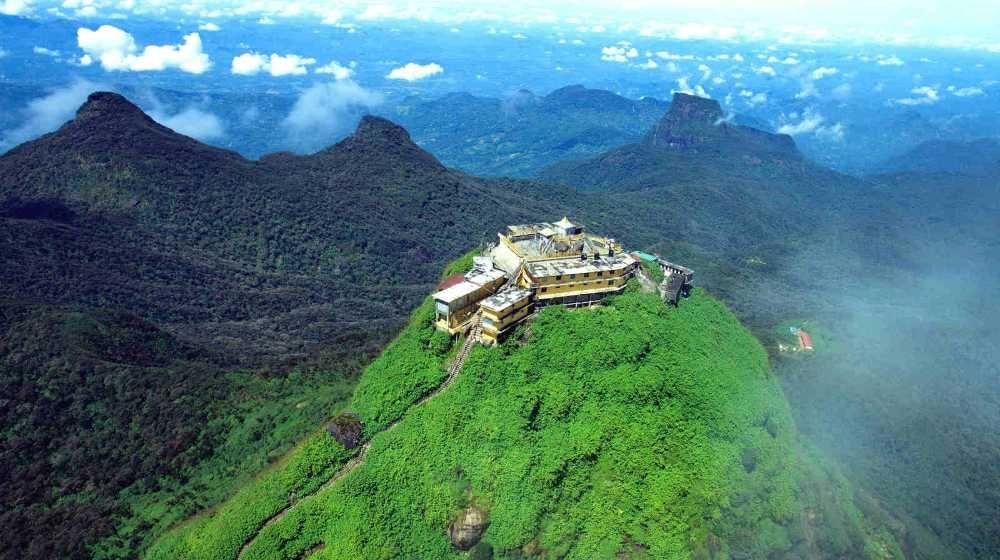
Adam’s Peak, also known as Sri Pada, is one of Sri Lanka’s most iconic mountains, rising to 2,243 meters (7,359 ft) in the central highlands between the Ratnapura and Nuwara Eliya districts. Famous for the sacred footprint at its summit, the peak is a multi-faith pilgrimage site for Buddhists, Hindus, Muslims, and Christians. Beyond its spiritual significance, Adam’s Peak is a popular hiking destination, attracting nature lovers and adventure seekers from around the world.
Ancient & Religious Significance
The summit of Adam’s Peak is home to a footprint-shaped rock, revered across multiple religions:
- Buddhism: Believed to be the footprint of Lord Buddha left during his visit to Sri Lanka.
- Hinduism: Considered the footprint of Lord Shiva.
- Christianity & Islam: Attributed to Adam (or St. Thomas in some Christian traditions) upon his arrival on Earth.
This multi-faith significance has made Adam’s Peak a pilgrimage destination for centuries, preserving its spiritual, cultural, and historical heritage.
Historical Pilgrimages
Ancient Sri Lankan kings, Buddhist monks, and devotees made pilgrimages to Adam’s Peak. The mountain is mentioned in historical chronicles such as the Mahavamsa.
Traditionally, pilgrims climb at night to reach the summit for sunrise, a practice that continues today. Pilgrimage season runs from December to May, when the trails are safer and weather conditions are favorable.
Hiking Experience
Adam’s Peak offers a moderate to challenging hike with breathtaking views along the way:
- Popular routes: Hatton, Nallathanni, and Kuruwita
- Duration: 4–6 hours to reach the summit, depending on route and fitness
- Unique feature: Many pilgrims hike at night to witness the spectacular sunrise and the mountain’s shadow stretching across the plains
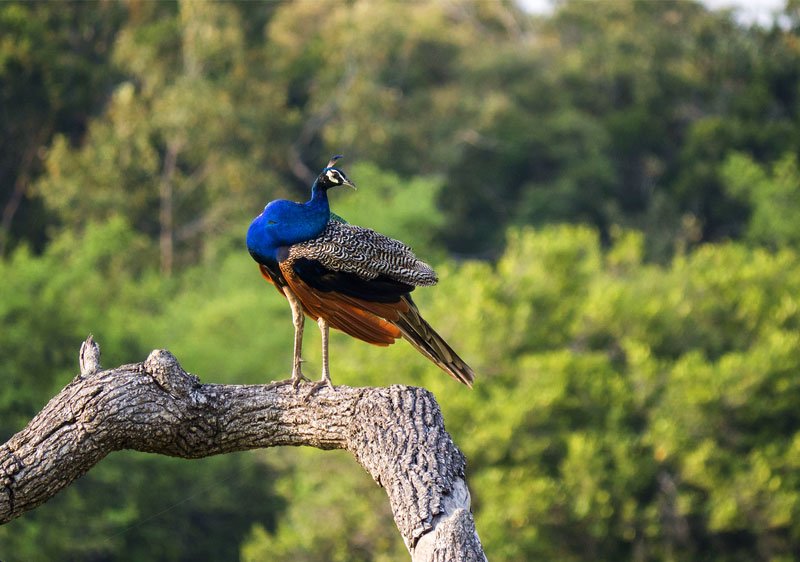
- Scenic highlights: Forests, waterfalls, tea plantations, and abundant birdlife
Scenic Beauty
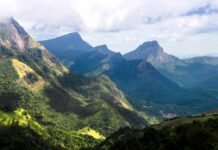
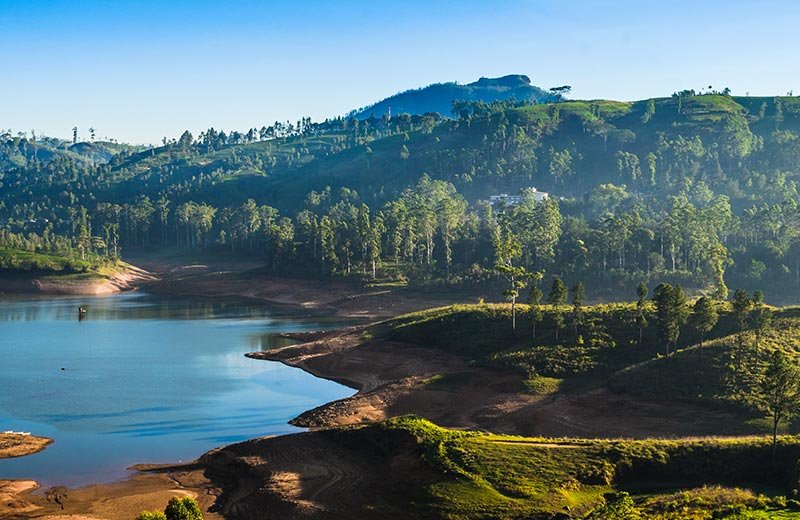
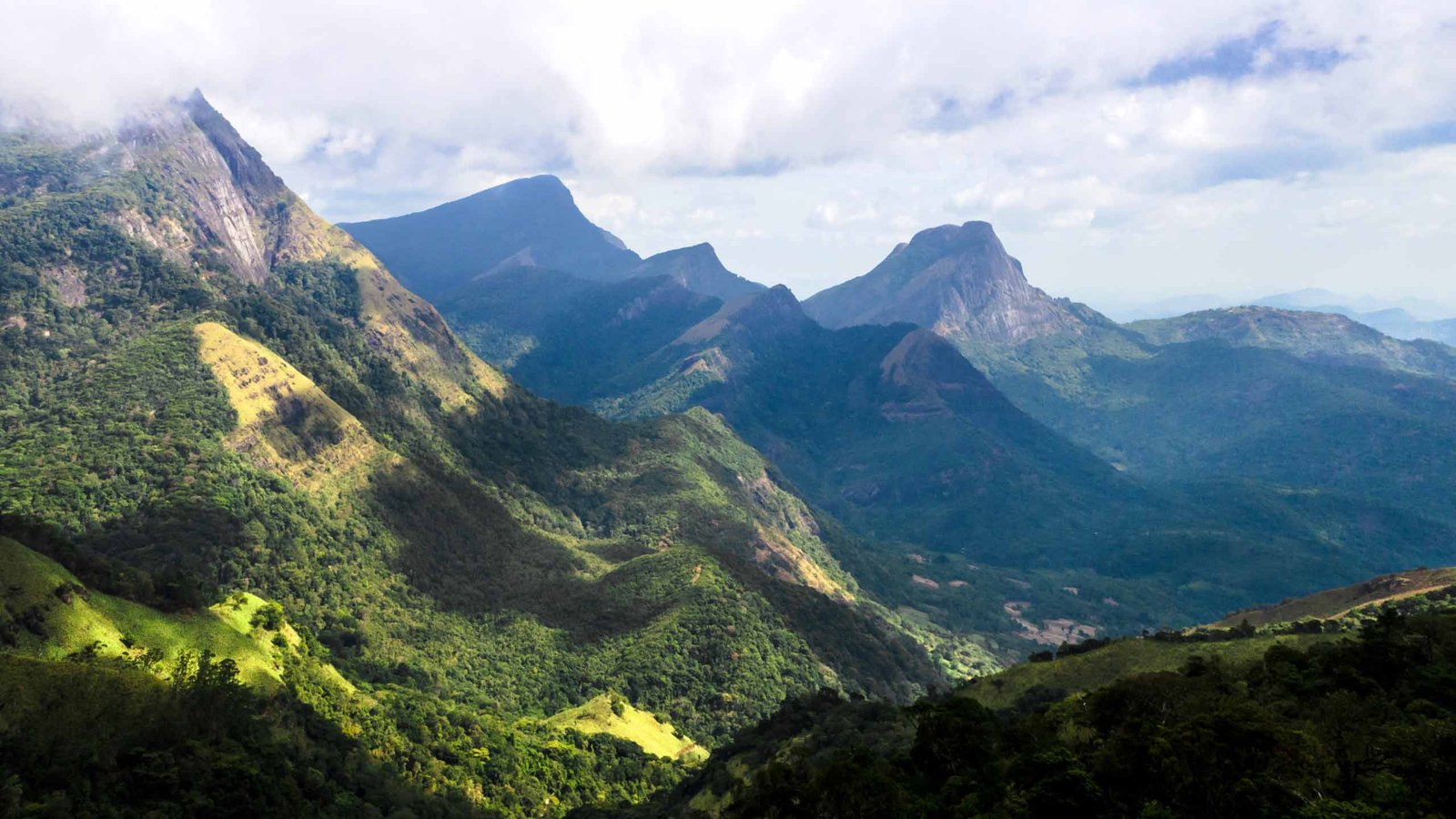
Hikers are rewarded with panoramic views of mountains, valleys, and rolling tea estates. The sunrise from the summit is one of Sri Lanka’s most memorable natural experiences, casting a shadow of the peak across the surrounding plains. The trail is rich with local flora and fauna, offering opportunities for photography and nature observation.
Local Culture & Facilities
Along the pilgrimage trails, visitors will find:
- Rest stops and small shops selling tea, snacks, and souvenirs
- First-aid stations and hydration points
- Opportunities to interact with pilgrims and local communities, providing cultural insight into Sri Lanka’s religious traditions
Tips for Tourists
- Best time to visit: December to May (dry season and pilgrimage season)
- Wear comfortable hiking shoes for rocky and steep paths
- Bring a flashlight for night climbs
- Start early to reach the summit by sunrise
- Stay hydrated and carry light snacks for the climb
Modern-Day Significance
Today, Adam’s Peak continues to be both a spiritual destination and a tourist attraction. The mountain preserves Sri Lanka’s religious, cultural, and natural heritage, drawing thousands of pilgrims and hikers each year. Nearby towns, especially Hatton, serve as convenient base points for ascents.
Conclusion
Adam’s Peak (Sri Pada) is a unique combination of spirituality, adventure, and natural beauty. Whether you are climbing for religious devotion, to witness a stunning sunrise, or to explore Sri Lanka’s central highlands, Adam’s Peak promises an unforgettable experience. Its rich cultural heritage, scenic vistas, and challenging trails make it a must-visit for travelers seeking both spiritual and outdoor adventure.