
Introduction
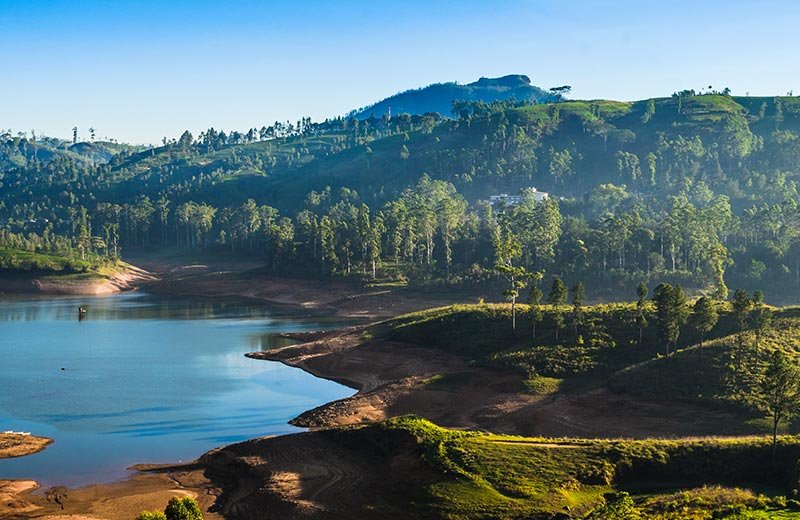
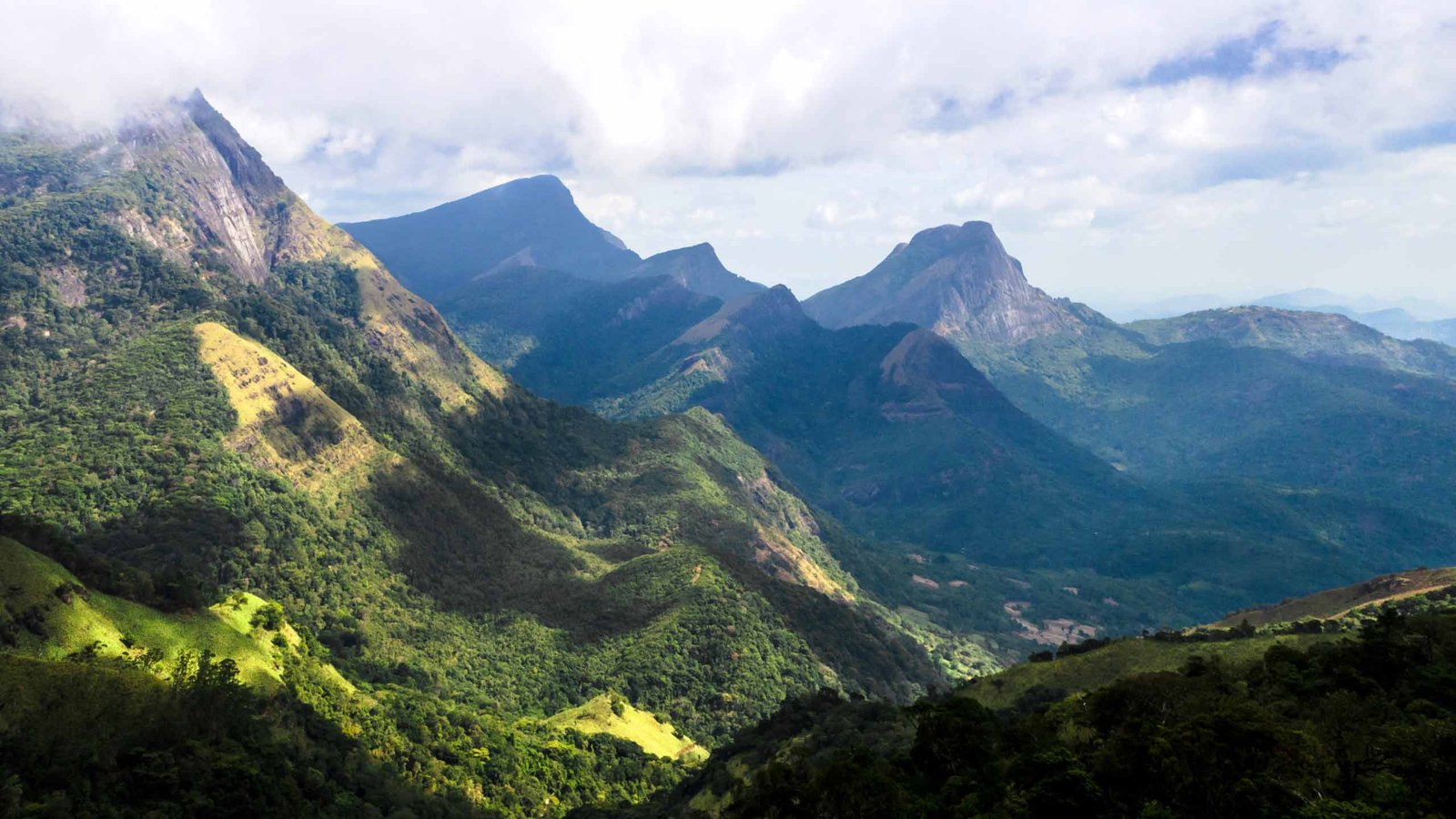
Haputale, nestled in Sri Lanka’s central highlands, is a peaceful town known for its breathtaking mountain views, rolling tea plantations, and cool climate. Less crowded than Nuwara Eliya or Ella, Haputale offers travelers a tranquil getaway, surrounded by lush greenery, misty peaks, and colonial charm.
Early History of Haputale
Haputale was originally a small village in the highlands, surrounded by forests, mountains, and rivers. Early settlers engaged in subsistence farming, spice cultivation, and small-scale agriculture, living in harmony with the misty environment. The region’s cool climate made it ideal for hill country settlements and later attracted colonial interest.
Colonial Era & Tea Plantations
During the British colonial period (19th–20th centuries):
- The British established tea plantations across Haputale’s hills
- Tamil laborers were brought from southern India to work on estates
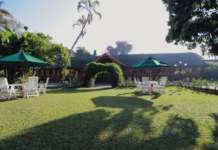
- Colonial-era bungalows and administrative centers shaped the town’s architecture and economy
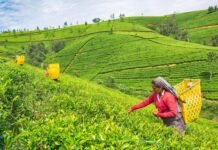
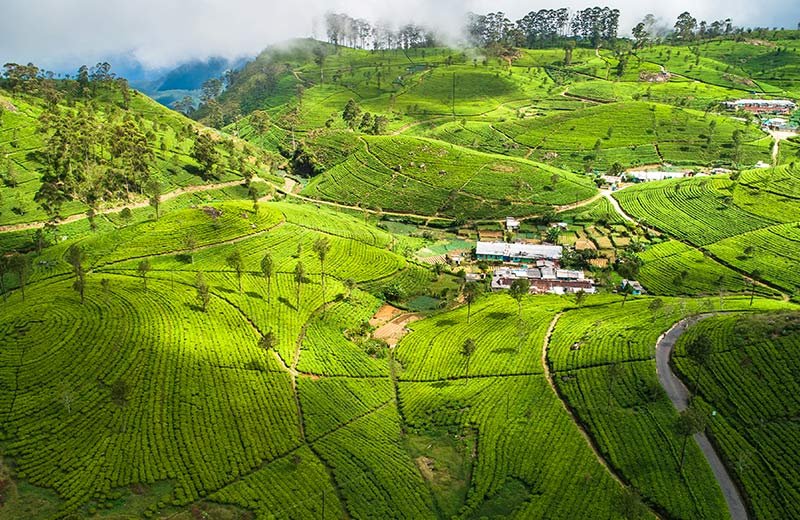
Tea cultivation became the backbone of Haputale’s growth, and many estates continue to operate today, offering tourists a glimpse of the Ceylon tea industry.
Scenic and Cultural Significance
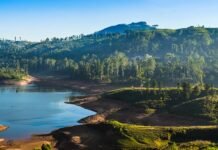
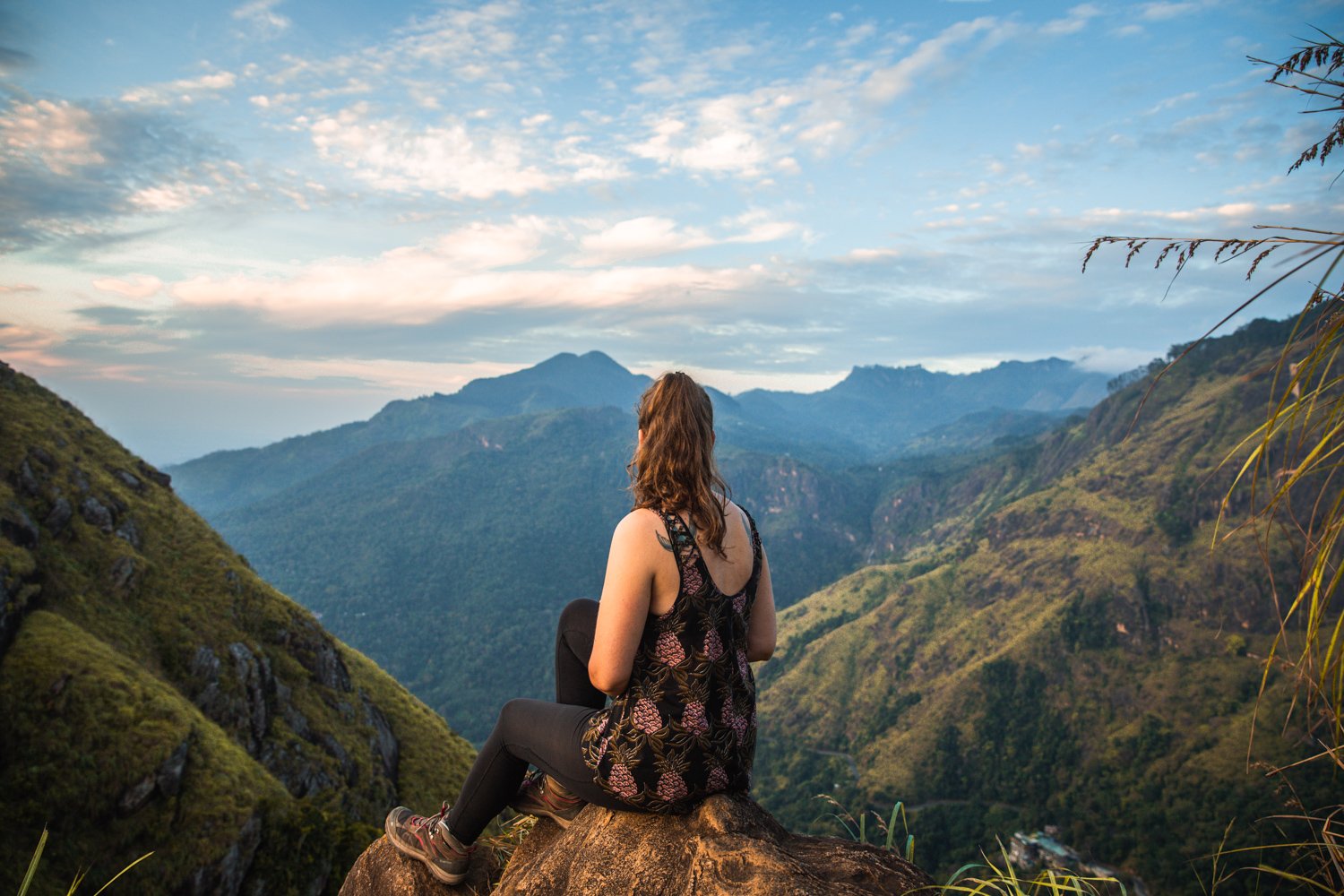
Haputale is celebrated for its panoramic vistas of valleys, mountains, and southern plains. Visitors can explore:
- Colonial-era bungalows
- Buddhist temples and monasteries
- Local villages reflecting indigenous and colonial influences
The town’s tea industry heritage and hill country architecture make it a unique destination for travelers interested in culture, history, and natural beauty.
Key Historical Features
- Tea industry heritage: Haputale’s economy and social structure were shaped by tea estates
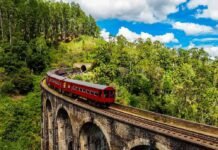
- Strategic location: Served as a link between Badulla and Ella via the hill country railway
- British hill station influence: Cool climate attracted colonial officials, similar to Nuwara Eliya
Modern-Day Haputale
Today, Haputale is known for:
- Scenic viewpoints like Lipton’s Seat
- Tea estate tours and factory visits
- Hiking and nature trails
- A relaxed, less crowded hill-country experience
Haputale is ideal for travelers seeking peace, nature, and scenic beauty. Its location provides stunning panoramic views, making it perfect for hiking, photography, and relaxation.
Main Attractions in Haputale
1. Lipton’s Seat
A famous viewpoint named after Sir Thomas Lipton, offering panoramic vistas of tea plantations and surrounding mountains. Sunrise and sunset views are especially spectacular.
2. Adisham Bungalow (Adisham Monastery)
A colonial-era mansion converted into a Benedictine monastery, surrounded by lush gardens and serene walking paths.
3. Dambatenne Tea Factory
One of Sri Lanka’s oldest tea factories, where visitors can learn about tea processing and enjoy fresh Ceylon tea tasting.
4. Haputale Tea Estates
Walk through rolling tea plantations and enjoy the scenic beauty of Sri Lanka’s central highlands.
5. Thangamale Bird Watching & Nature Trails
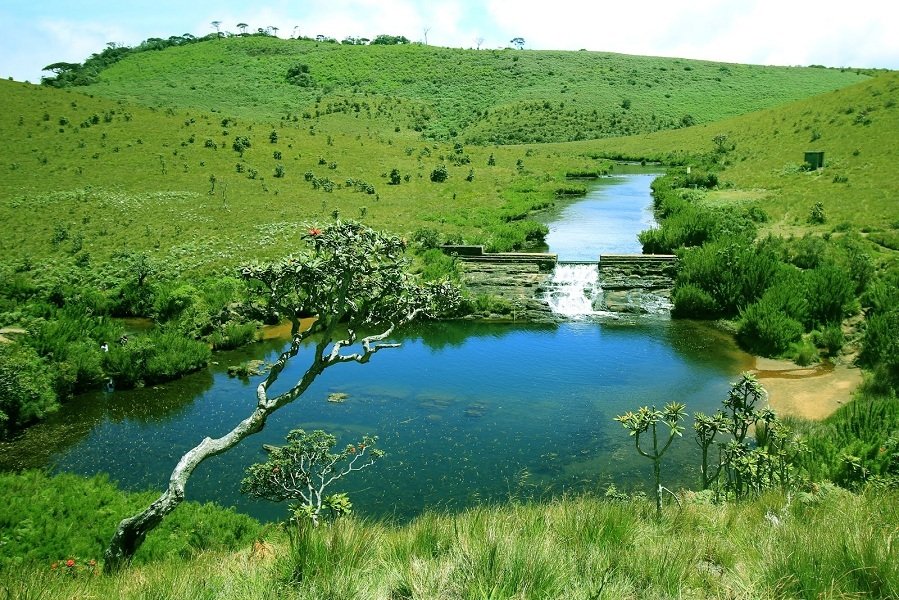
Perfect for bird watchers and nature enthusiasts, offering quiet trails through the hills.
Activities in Haputale
- Visiting Lipton’s Seat for panoramic photography
- Touring tea factories and estates
- Hiking through nature trails and rolling hills
- Exploring Adisham Monastery and colonial gardens
- Capturing photos of mountains, valleys, and misty landscapes
Tips for Visitors
- Bring warm clothing—the highlands can be chilly
- Wear comfortable shoes for walking and hiking
- Visit early morning or late afternoon for the best views at Lipton’s Seat
- Respect local customs at monasteries and tea estates
Conclusion
Haputale is a serene and scenic hill-country town offering a peaceful escape from city life. With its panoramic viewpoints, lush tea estates, and tranquil atmosphere, it’s ideal for nature lovers, hikers, and travelers seeking the quiet beauty of Sri Lanka’s highlands. Whether touring tea factories, hiking hills, or enjoying misty mountain views, Haputale provides an unforgettable highland experience.